
Remote Work in the Age of AI: Thriving in the New Digital Workplace
Discover how AI is revolutionizing remote work. Learn the human-centric skills and AI tools you need to secure your flexibility and thrive off-site.

TL;DR: Quick Takeaways
- The Evolution is Permanent: Remote work is no longer temporary; it’s a staple of the global, AI-driven economy.
- Your “Human Edge” is Protection: Algorithms handle data crunching, but they lack empathy, complex stakeholder management, and contextual problem-solving.
- The AI Tool Stack is Mandatory: To stay competitive as a remote worker, you must become fluent in AI tools for deep work, meeting transcription, and productivity.
- Roles are Shifting, Not Vanishing: Remote customer support, data analysis, and marketing are transitioning from execution to AI-management.
The Evolution of Remote Work
The transition to remote work transformed from a temporary necessity into a permanent fixture of the global economy. Now, as artificial intelligence accelerates, the rules of remote work are being rewritten once again.
Off-site professionals are no longer just competing with peers in different time zones; they are competing with algorithms capable of handling rote tasks at lightning speed. However, this shift is not about replacement—it is about augmentation. Thriving as a remote worker in the AI economy means evolving from a task-executor into a strategic thinker and AI-manager.
For more insights into modern remote job opportunities, check out resources like JobCadu’s Remote Job board and We Work Remotely to see how employers are currently filtering for AI-savvy talent.
How AI is Impacting Remote Roles

AI impacts different remote roles in unique ways. Routine data processing, basic scheduling, and even simple copywriting are quickly being automated.
However, AI currently struggles with high-level context, empathy, edge-case problem solving, and complex stakeholder management. The most secure remote jobs are those that combine deep human intelligence with AI leverage.
- Data Analysts: Moving from manual spreadsheet crunching to interpreting complex AI predictive models.
- Customer Support: Transitioning from answering basic FAQs to handling nuanced, high-emotion escalations while managing AI chatbots.
- Marketing & Content: Shifting from writing early drafts to editing, directing, and strategizing using tools like Claude and Midjourney.
Your Human Edge: Skills to Cultivate
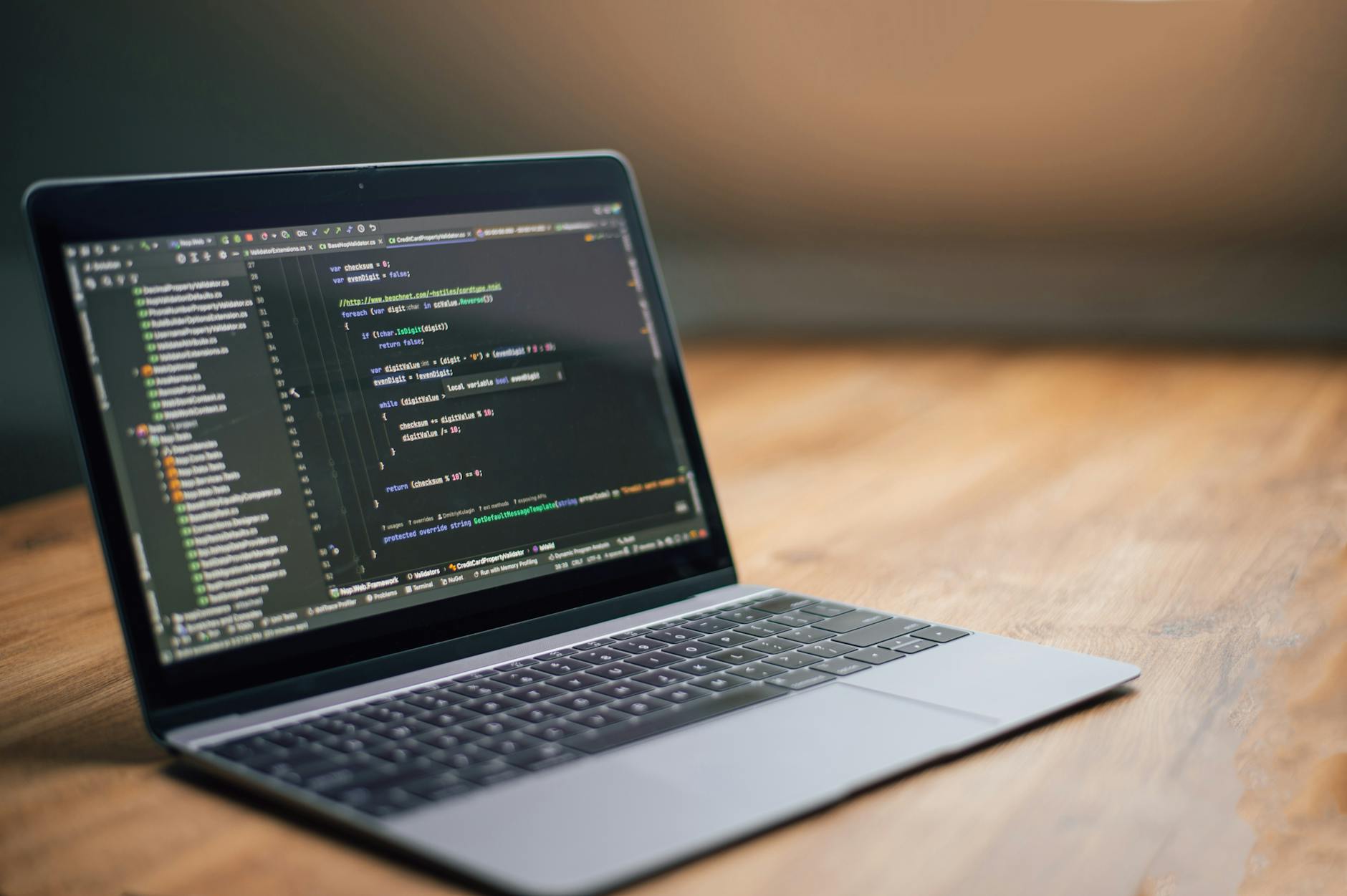
To future-proof your remote career, you must lean into your “Human Edge”—the non-automatable skills that create genuine value.
- Strategic Problem Solving: AI can give you answers, but you must know what questions to ask. The ability to synthesize disparate pieces of information to solve a unique business problem is irreplaceable.
- Emotional Intelligence (EQ): In a remote environment where communication often lacks physical cues, high EQ, empathy, and the ability to build trust across screens are premium skills.
- Cross-functional Collaboration: AI operates in silos of data. Humans excel at bridging gaps between departments, understanding organizational politics, and driving consensus.
- Adaptability and Continuous Learning: The half-life of a technical skill is shrinking. Your most valuable asset is your ability to rapidly learn and integrate new AI tools into your workflow.
The Remote Worker’s AI Tool Stack
To maximize your output from your home office, you should be fluent in modern AI tools. Start building your stack:
- For Communication: Otter.ai or Fireflies.ai for transcribing and summarizing remote meetings so you never miss an action item.
- For Deep Work: ChatGPT or Claude for rapid brainstorming, outlining, and code debugging.
- For Time Management: Motion or Reclaim.ai to optimize your daily schedule and protect deep-work blocks across different time zones.
- For Presentation: Gamma or Tome for generating beautiful slide decks in minutes before your remote pitches.
Conclusion
The age of AI does not spell the end of the remote worker; it heralds the rise of the supercharged remote worker. By embracing AI as a co-pilot and doubling down on your uniquely human skills, you can secure your professional flexibility and become an indispensable asset to any global team.
Frequently Asked Questions (FAQ)
1. Will AI eventually replace remote developers and designers?
While AI is exceptionally good at writing boilerplate code and generating visual concepts, it struggles with complex system architecture and nuanced branding. Remote creatives are transitioning into “Creative Directors” who manage AI outputs rather than producing everything from scratch.
2. How can I prove my “Human Edge” during a remote interview?
Focus on your emotional intelligence and problem-solving framework. Give examples of how you navigated complex team dynamics, de-escalated a client issue, or orchestrated cross-departmental alignment—things an AI cannot do.
3. I already work remotely. How much time should I spend learning AI tools?
Aim for the “10% rule.” Dedicate 10% of your working week (about 4 hours) entirely to testing, breaking, and mastering new generative AI tools relevant to your specific workflow. This compound interest will make you exponentially more efficient over a year.
Tags
123vieclam Team
The 123vieclam team consists of industry researchers, data analysts, and career strategists dedicated to helping professionals navigate the AI economy and future-proof their careers.
Learn More →